

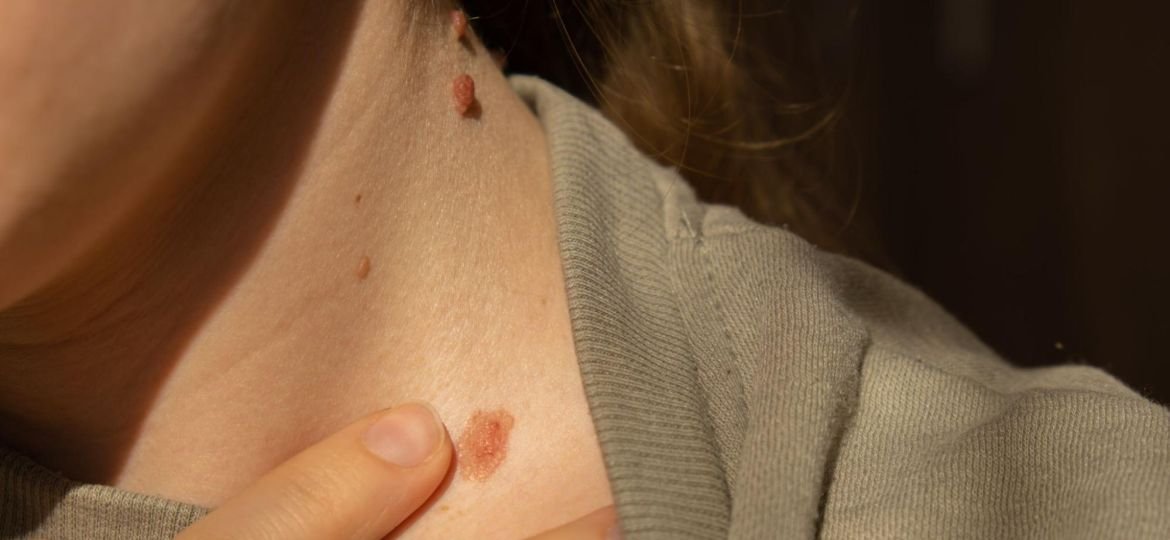
Mohs surgery is a precise technique used to treat certain skin cancers, and a surgeon removes thin layers of tissue and examines each one under a microscope. This process continues until no cancer cells remain, targeting the affected area while sparing healthy skin. When needed, dermatologists recommend it for cancers in difficult locations or with unpredictable patterns. Here are some signs that you may need to undergo this surgery:
Aggressive Tumor Growth
Some skin cancers spread quickly and reach deeper layers of tissue. When a tumor grows fast, your dermatologist may flag it for closer evaluation, and Mohs surgery becomes one option. Aggressive growth signals that the cancer needs careful removal.
Certain cell types behave more aggressively than others. Squamous cell carcinoma sometimes invades nearby structures, and this behavior raises concern for both patients and providers. A dermatologist examines the tumor to map its likely path.
Undefined Borders
Undefined borders make a tumor harder to remove completely. You might notice edges that fade or scatter into surrounding skin. When borders blur, surgeons may struggle to define where the cancer ends, and Mohs surgery addresses this uncertainty.
Watch for the following border traits during a skin check:
- Edges that look jagged or poorly defined
- Color that bleeds into nearby skin
- Spots that change shape over weeks
These traits often appear together. A clear border suggests one approach, while a blurred one points toward layered removal, and your dermatologist decides based on what the exam reveals. Mapping each layer helps confirm full removal.
Sensitive Areas
Skin cancer on sensitive areas demands a tissue-sparing method. The face, neck, and genitals contain delicate structures, so surgeons aim to remove cancer while preserving as much healthy tissue as possible. Mohs surgery fits this goal.
Location shapes treatment choices. A tumor near the eyelid, nose, or lip sits close to features that affect function, and removing too much tissue creates complications. Your dermatologist weighs the location during planning.
Areas that may require Mohs surgery include:
- The face, including ears, nose, and lips
- The neck and scalp
- The hands, feet, and genitals
These regions leave little room for wide removal. A small margin matters here, and the layered approach lets surgeons check tissue before they take more. This balance guides the procedure.
Recurred Cancer
Cancer that returns after treatment needs a thorough approach. Recurred tumors sometimes hide beneath scar tissue, and they prove harder to detect through standard methods. This type of surgery examines each layer for hidden cells, and a previous treatment site carries extra risk. When cancer comes back in the same spot, the surrounding tissue may already show changes, and surgeons account for that history. Recurrence points toward microscopic evaluation.
Schedule Mohs Surgery Today
Mohs surgery suits aggressive tumors, irregular borders, sensitive locations, and recurred cancer. Each sign reflects a situation where layered removal and microscopic checks add value, and your dermatologist reviews these factors before recommending any procedure. If you notice any of these signs, book an appointment with a board-certified dermatologist, and they can examine your skin and explain whether this approach fits your case. Call a dermatology office today to schedule your consultation.
