

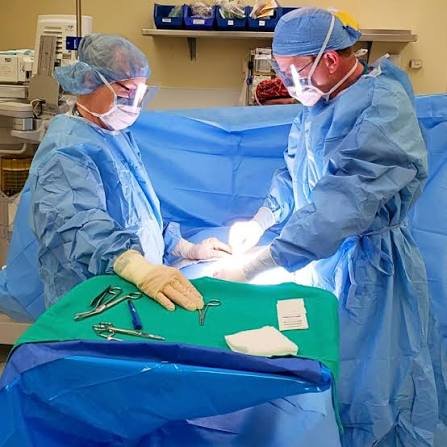
General surgeons perform procedures involving the abdomen, digestive tract, skin, soft tissues, and endocrine system. Many general surgeons also pursue additional training in specialized areas. Some go on to focus on fields such as bariatric surgery, which addresses weight-related conditions. This range of expertise allows general surgeons to manage a wide variety of common conditions. Here’s information on three common conditions that may need general surgery for treatment:
Gallbladder Conditions
Gallbladder removal, known as a cholecystectomy, is one of the most commonly performed general surgery procedures. Surgeons often use a laparoscopic approach, which involves small incisions and a thin camera to guide the operation. This method allows for shorter hospital stays and a shorter recovery period than open surgery.
Gallbladder surgery is usually recommended when gallstones cause pain, inflammation, or bile duct blockages. It may also be discussed when the gallbladder becomes infected or stops functioning properly. Because the gallbladder isn’t absolutely necessary for digestion, the body can adjust after its removal. A surgeon evaluates each case to determine whether removal is appropriate, as some individuals may need other treatments first. After surgery, recovery involves dietary adjustments like:
- Beginning With Clear Liquids
- Avoiding Food High in Fats or Oils
- Slowly Adding Foods and High-fiber Options
- Eating Smaller, More Frequent Meals
Hernias
A hernia occurs when an organ or tissue pushes through a weak spot in the surrounding muscle or connective tissue. Surgeons repair hernias by returning the displaced tissue to its proper position and reinforcing the weakened area, sometimes using surgical mesh. Hernias vary in location and severity, and understanding the type can help clarify what a repair involves. Three common types of hernias are:
- Inguinal Hernias: These develop in the groin area, where part of the intestine or fatty tissue protrudes through a weakened section of the lower abdominal wall. They are the most commonly diagnosed type of hernia.
- Ventral Hernias: These appear along the front of the abdominal wall. This category includes incisional hernias, which form at a previous surgical scar where the tissue has not fully healed.
- Hiatal Hernias: These occur when part of the stomach pushes upward through the diaphragm into the chest cavity. Unlike other types, they may not cause a visible bulge, and they are often linked to acid reflux symptoms.
Breast Cancers
General surgeons perform several procedures involving breast tissue, each serving a distinct purpose. The differences between them relate to how much tissue is removed and the goal of the operation. A breast biopsy removes a small tissue sample for laboratory analysis. Because a biopsy is a diagnostic procedure, it focuses on gathering information rather than treating a condition. A surgeon reviews imaging results and other findings to recommend a procedure that fits a patient’s needs.
A lumpectomy is another breast surgery, but this one removes an area of tissue along with a margin of surrounding tissue while preserving as much tissue as possible. This approach is often selected when the goal is to remove a localized area while maintaining breast structure. Another breast surgery option is a mastectomy, which involves removing all of the breast tissue. A mastectomy may extend to nearby tissue depending on the individual situation; this procedure is more extensive than a lumpectomy.
Prepare For Your General Surgery
Preparing for a surgery consultation can help you make the appointment more productive. Start by gathering your relevant medical history, including past procedures, current medications, and any allergies. Bringing this information and any questions you have allows your surgeon to review your background accurately. Write down your questions ahead of time so you can address your main concerns about the procedure itself, the expected recovery timeline, and any required preparation steps. To learn more about general surgery, contact a surgeon near you to schedule a consultation.
