

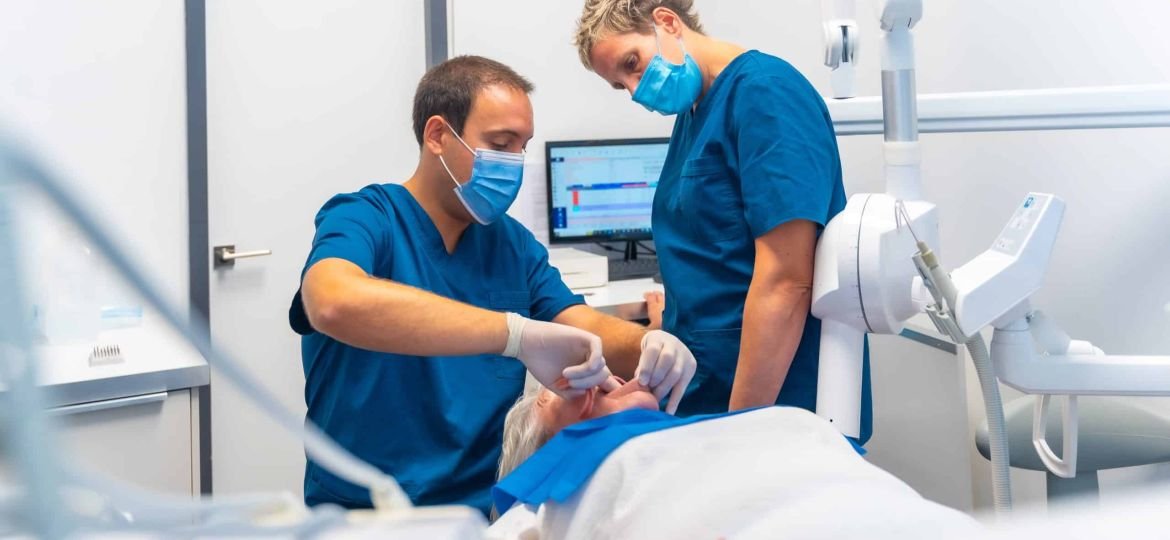
An emergency clinic is a medical facility that treats sudden injuries and illnesses that need prompt attention. People often visit this clinic when they cannot wait for a regular appointment, and these facilities frequently operate outside standard office hours. The staff at a clinic may include physicians, nurses, and support personnel who handle a range of urgent situations. Here is more information about these types of clinics:
Understanding Walk-in Visits
A walk-in visit lets you receive care for various issues, and you do not need to schedule an appointment in advance. You arrive at the emergency clinic, register at the front desk, and wait for a provider to assess your condition. This format suits situations where you need attention quickly but cannot secure a same-day slot with your regular doctor.
Exploring Injury and Wound Care
Injury treatment covers the evaluation and management of physical harm such as:
- Cuts
- Sprains
- Minor fractures
- Burns
- Bruises
- Dislocations
- Puncture wounds
- Sports injuries
- Minor head injuries
Providers examine the affected area, clean any open wounds, and determine the appropriate next steps. Because timing can matter with certain injuries, an emergency clinic offers a place to seek care without a prior appointment.
Wound care includes cleaning injuries, and the provider dresses wounds to support recovery. A provider may apply stitches, adhesive strips, or bandages depending on the size and depth of the wound. Staff often review aftercare guidance with you so you understand how to care for the injury at home.
Diagnosing and Treating Acute Illness
Acute illnesses are conditions that appear suddenly and require timely evaluation. At an emergency clinic, a provider reviews your symptoms, and this assessment helps guide any testing or treatment. Common examples include:
- Fevers
- Respiratory infections
- Stomach complaints that develop over a short period
Diagnostic services at these clinics may include laboratory tests and imaging to identify the source of symptoms. A provider interprets the results and discusses possible options with you. Some clinics can dispense certain medications on site while others provide a prescription to fill elsewhere.
Knowing When To Seek Help
You might visit an emergency care clinic for a health issue needing quick attention but not appearing life-threatening. Examples include minor burns and moderate cuts; they also include sudden fevers that do not respond to home measures. If you are unsure about the severity, you can call ahead to determine which location to visit.
Some situations call for a hospital emergency room rather than an emergency clinic. Severe signs such as chest pain, difficulty breathing, or major bleeding often warrant a higher level of care, and emergency services should be contacted right away in those cases. Knowing the difference between the two settings can help you act appropriately when time is limited.
Find an Emergency Clinic Today
An emergency care clinic helps people address sudden health concerns when a regular appointment is not available, and they often operate during extended hours. Understanding the range of services offered can guide your decision when an urgent situation arises. Some emergency clinics also offer urgent care services during regular hours, which gives patients another way to access timely support. To learn more about emergency care, consult a healthcare provider near you.
