

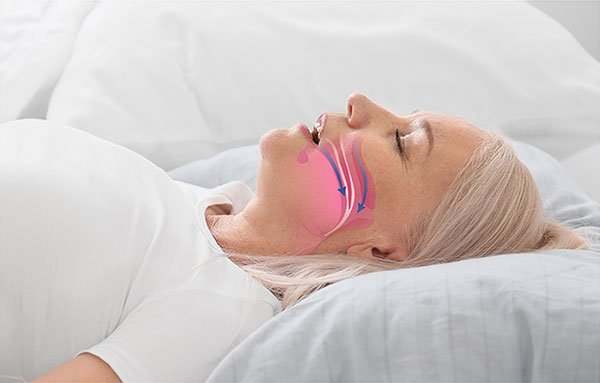
Sleep apnea is a serious sleep disorder that affects about 1 billion people worldwide. When this condition is left untreated, it can contribute to high blood pressure, heart disease, and chronic fatigue. Early intervention is valuable, and snoring doctors specialize in diagnosing and treating sleep-related breathing disorders. Here is more information on how sleep apnea is treated:
What Is Sleep Apnea?
Sleep apnea occurs when breathing repeatedly stops and starts during sleep; these interruptions are known as apnea events. Apnea events may occur many times in a single night, which disrupts the body’s ability to achieve restorative sleep. There are three primary types of sleep apnea: obstructive sleep apnea (OSA), central sleep apnea (CSA), and complex sleep apnea syndrome. OSA is the most prevalent form. A snoring doctor is a physician who specializes in sleep-disordered breathing, and they are trained to identify apnea events and develop targeted treatment plans.
What Causes It?
Obstructive sleep apnea develops when the muscles at the back of the throat relax excessively, which causes the airway to collapse and become blocked during sleep. Several factors increase the likelihood of developing OSA. Obesity places added pressure on the airway, particularly when excess weight accumulates around the neck, while a naturally narrow throat or enlarged tonsils further restrict airflow. Nasal congestion, alcohol consumption, and age-related muscle relaxation are additional contributing factors; a family history of sleep apnea may also elevate overall risk.
Central sleep apnea (CSA) is less common than OSA. Unlike OSA, CSA does not involve a physical obstruction; it develops when the brain fails to transmit appropriate signals to the muscles responsible for controlling breathing. CSA is associated with underlying medical conditions such as heart failure or stroke, and certain medications may also trigger its onset. Complex sleep apnea syndrome presents as a combination of both OSA and CSA, which necessitates professional intervention.
What Are the Symptoms?
Sleep apnea symptoms extend beyond loud snoring. While some patients may wake with headaches and excessive daytime sleepiness, others struggle to concentrate throughout the day. Difficulty focusing is common, and it can significantly interfere with daily functioning. Additional symptoms include:
- Dry mouth or sore throat upon waking
- Mood changes, irritability, or difficulty with memory
- Frequent nighttime urination
How Can Snoring Doctors Help?
Snoring doctors assess the severity of sleep apnea, and they recommend treatments based on each patient’s specific anatomy, lifestyle, and health history. Treatment is not one-size-fits-all, as mild cases may respond well to conservative measures while more severe presentations necessitate clinical intervention. Each patient requires an individualized approach.
Lifestyle changes may be recommended. Weight loss, positional adjustments during sleep, reducing alcohol intake, and quitting smoking help reduce apnea severity. When patients need additional support to manage snoring, doctors may recommend nasal strips that are designed to reduce airway resistance and promote easier airflow. An oral appliance, such as a custom-fitted mouthguard that repositions the jaw and tongue, can keep the airway open during sleep, and it serves as an alternative for patients who cannot use CPAP therapy. For cases requiring a more structural solution, snoring doctors may recommend pillar implants or minimally invasive surgery.
Get Treatment for Sleep Apnea
Sleep apnea is a diagnosable and treatable condition. A snoring doctor can evaluate your symptoms, and they will recommend a treatment plan. Delaying treatment allows the condition to progress, which increases the risk of associated health complications. Schedule a consultation with a snoring doctor today to achieve better sleep.
