

Orthobiologics are treatments that use biological materials from your body to support the body’s natural healing processes. These treatments may help manage certain musculoskeletal injuries and conditions affecting joints, muscles, tendons, and ligaments. Here are some of the potential benefits of orthobiologic treatments:
How Do Orthobiologics Support Healing?
When tissue becomes damaged, the body sends cells and signaling proteins to the area to begin repair. Some tissues, such as tendons and cartilage, receive limited blood flow, so they tend to heal slowly. Orthobiologics deliver a concentrated supply of repair-related materials to these areas.
Platelet-Rich Plasma (PRP)
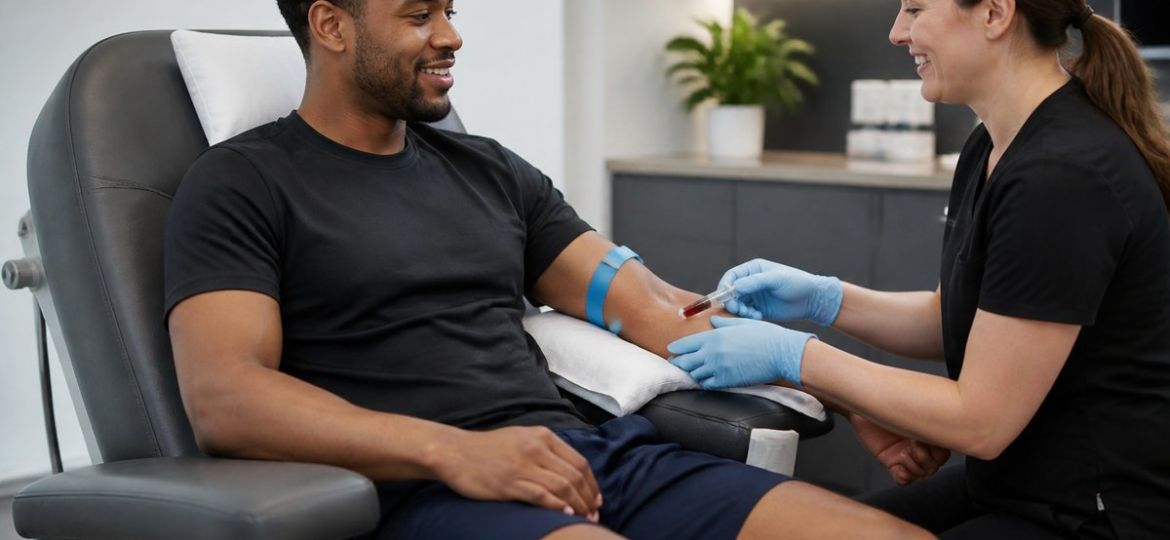
PRP comes from a small sample of the patient’s own blood. A provider spins the sample in a machine called a centrifuge to separate platelets from other blood components. Platelets contain growth factors, proteins that signal cells to repair tissue. The provider then injects the concentrated platelets into the injured area.
Cell-Based Therapies
Cell-based therapies use cells collected from the patient’s bone marrow or fat tissue. After collection, a provider processes the sample to concentrate cells that support tissue maintenance. These cells release signaling proteins that may influence inflammation and repair in the targeted area.
What Benefits Do They Offer?
Orthobiologics have several benefits when compared with some traditional treatment options. Individual results vary, and outcomes depend on the condition, its severity, and the patient’s overall health. The following are the potential benefits that patients often discuss with their providers:
- Uses a nonsurgical approach: Treatment involves injections rather than incisions, which avoids general anesthesia and surgical wounds.
- Use of the body’s own materials: Most orthobiologics come from the patient’s blood, bone marrow, or fat, reducing the chance of a reaction to foreign substances.
- Has a short downtime: Patients often return to light daily activities within a few days, although providers may limit strenuous exercise for a set period.
- Takes place in an outpatient setting: Treatment usually takes place in a clinic, and patients generally go home the same day.
- Complements other care: Orthobiologics can work alongside physical therapy, bracing, and activity changes as part of a broader recovery plan.
Which Conditions May Benefit?
Providers use orthobiologics for a range of musculoskeletal conditions, especially those involving slow-healing tissues. Common examples include knee osteoarthritis, tennis elbow, and Achilles tendon problems. Patients with partial rotator cuff tears or plantar fasciitis can also explore these treatments.
Athletes and physically active individuals often seek orthobiologics for sports-related injuries. Ligament sprains, hamstring strains, and jumper’s knee are frequent reasons for evaluation. Chronic conditions that have not responded to rest, medication, or physical therapy may also lead a provider to discuss these options. A provider reviews imaging and symptoms before deciding whether the treatment fits the condition.
What Are the Limitations?
Not every patient is a good candidate for orthobiologics. Providers assess the injury type and severity, medical history, and current medications before recommending treatment. People with certain blood disorders, active infections, or some cancers may not qualify. Patients who take blood thinners or anti-inflammatory drugs may need to pause them around treatment, but only under a provider’s direction. Patients should also understand the limitations of these treatments. Results vary by individual, and some patients need more than one injection before they notice a change.
Learn More About Orthobiologics
Orthobiologics use the body’s own materials to support the repair of joints, tendons, ligaments, and muscles. They offer a nonsurgical option for people with chronic joint pain or sports injuries, though suitability and results vary. Contact a qualified orthopedic surgeon near you to schedule your appointment and learn more about orthobiologics today.
