

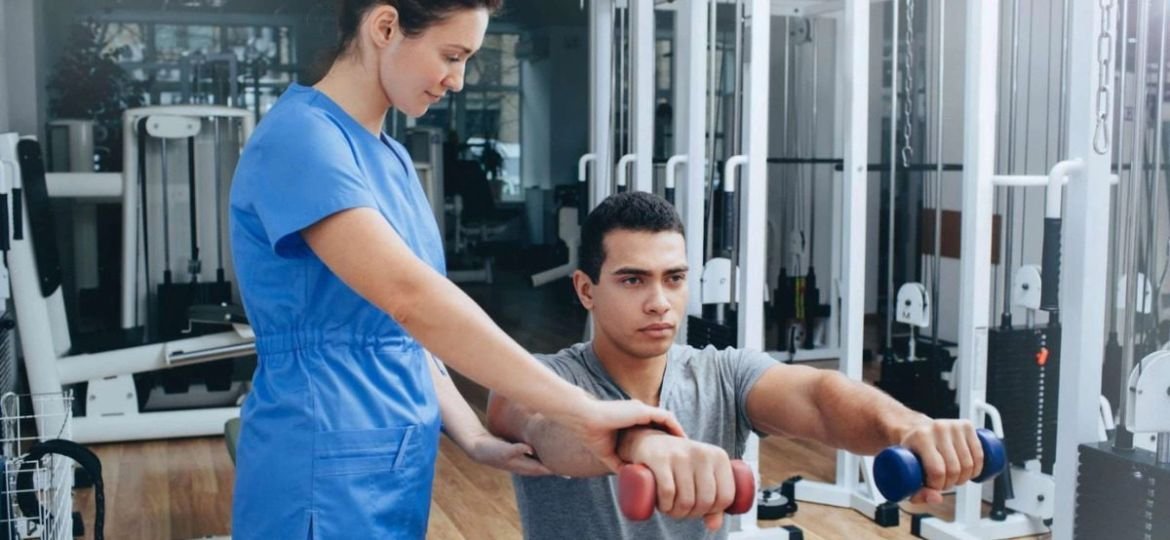
Post-surgery recovery success depends on targeted rehabilitation and physical therapy techniques that help restore strength, mobility, and function. Since each procedure affects the body differently, therapists use specific methods that support healing and improve movement quality. They allow you to do daily activities with reduced pain. Here are a few physical therapy techniques for post-surgery recovery:
Laser and Cupping Therapy
Laser therapy for post-surgery recovery uses light to help repair damaged tissues. The technique directs laser energy to areas of pain or discomfort, helping reduce muscle tension in the tissue surrounding the surgical site. Laser therapy used by physical therapists helps loosen muscles and joints, promoting flexibility and reducing tension. While laser therapy may not eliminate all pain on its own, it is used as part of a combination of techniques.
Physical therapists insert these needles into areas that need treatment, such as the skin, muscles, or tissues surrounding the surgical site. Cupping therapy uses specially designed cups attached to a device that removes air, creating suction on the skin as part of the treatment. That suction promotes the movement of blood in underlying muscles. The vacuum created around a muscle will force increased blood flow by reducing pressure from the outside of the cup. Another common therapy is dry needling. This is a physical therapy technique that involves the use of needles targeting muscle tissue.
Yoga and Aquatherapy
Private yoga benefits post-surgery recovery by allowing patients to participate in exercises at their own pace. Patients experience various yoga styles and poses during private sessions, including Hatha yoga. That style helps patients learn different ways to move the body. Vinyasa may require advanced skills and faster movements, and many instructors incorporate different yoga techniques to improve balance throughout the body.
Before class, patients can speak with the instructor to learn which style is taught during private sessions. Another way to distinguish training styles is by target demographic, such as children, teens, and adults. Understanding demographics helps patients choose the class that best fits their needs, and best suits their condition. Speaking with yoga instructors about demographics, style, and accessibility helps patients find the most suitable class.
Aquatherapy allows patients to perform various exercises in water. The water helps reduce stress on the muscles and joints, making movement easier than on surfaces. Physical therapists provide exercises that target specific areas of the body, such as the arms and hips. This therapy style may also involve flotation therapy. That approach allows patients to relax in the water and helps increase range of motion after surgery. A therapist may also guide body movements to encourage muscle stretching. That can improve flexibility after surgery, and patients may include aquatherapy in their routine for continued benefits.
Discover Physical Therapy Services
Physical therapists offer a combination of therapy techniques to support healing after surgery. A therapist may combine stretching, strength exercises, and aquatherapy to improve mobility and support recovery progress. Speak with a medical professional today to obtain more information regarding which physical therapy technique is correct for you.
