

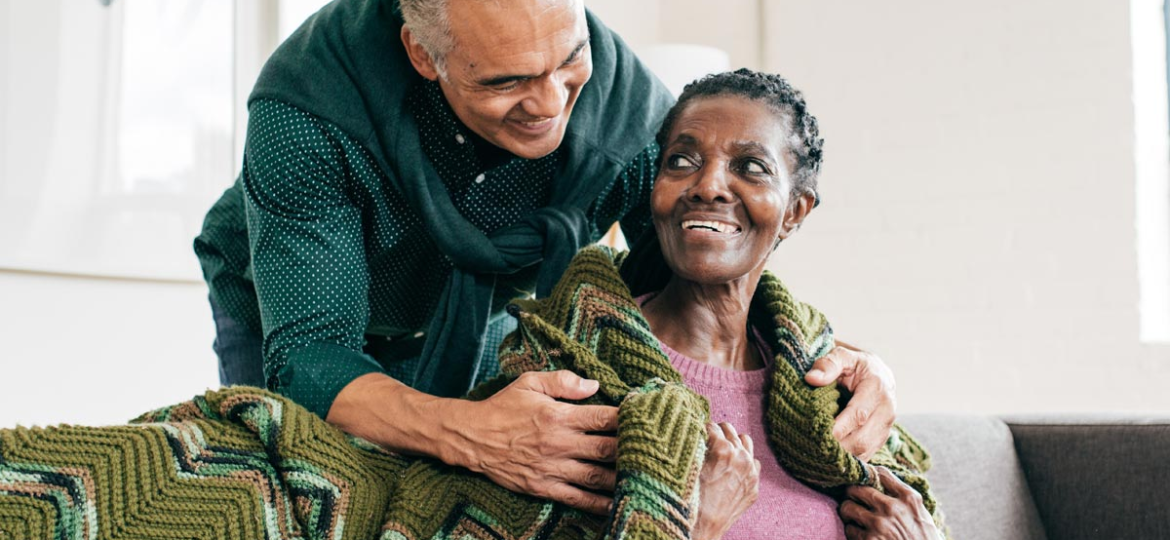
Caring for someone with dementia is not simple work. It is emotional, physical, and mentally demanding. As memory fades and behavior changes, families often feel stressed and confused. This is where professional caregivers for elderly dementia patients become very important. They provide trained support, comfort, and safety for seniors who are living with Alzheimer’s disease or other forms of dementia.
In this article, we will explain who these caregivers are, what they do, why they are important, and how they improve the lives of both patients and families. Everything is written in simple and easy language so it is easy to understand.
What Are Professional Caregivers for Elderly Dementia Patients?
Professional caregivers are trained individuals who help elderly people who cannot fully take care of themselves. When it comes to dementia patients, their role becomes even more specialized.
Professional caregivers for elderly dementia patients are trained to handle memory loss, confusion, mood changes, and daily living challenges. They may work in homes, care centers, or hospitals.
Their main goal is not only to provide physical care but also emotional support and mental comfort.
Why Dementia Care Is Different
Dementia is not just normal aging. It is a condition that affects memory, thinking, behavior, and communication. Patients may:
- Forget names, places, or even family members
- Repeat questions many times
- Get confused about time or location
- Feel angry, anxious, or scared without reason
- Wander away from home
Because of these challenges, regular caregiving is not enough. Special training is needed, which is why professional caregivers are so important.
Key Responsibilities of Professional Dementia Caregivers
The job of professional caregivers for elderly dementia patients includes many important tasks:
1. Personal Care
They help with daily activities like:
- Bathing and grooming
- Dressing
- Eating meals
- Toileting assistance
2. Medication Management
They make sure patients take medicines on time and in the correct dosage.
3. Emotional Support
Dementia patients often feel lonely or scared. Caregivers talk to them calmly and help reduce anxiety.
4. Safety Monitoring
They prevent accidents like falls or wandering outside the home.
5. Mental Engagement
They use simple activities like puzzles, music, or memory games to keep the brain active.
6. Communication Support
They use clear, slow, and simple language to help patients understand better.
Skills Needed in Professional Dementia Care
Not everyone can be a dementia caregiver. It requires special skills and patience.
Patience and Calm Behavior
Patients may repeat things or act confused. Caregivers must stay calm.
Strong Communication Skills
They must know how to speak in a simple and friendly way.
Emotional Understanding
They need to understand the feelings behind behavior, not just the actions.
Problem-Solving Ability
Dementia patients may behave unpredictably. Caregivers must react quickly and safely.
Physical Strength
Helping patients move, walk, or change position requires physical effort.
Why Professional Caregivers Are Important
Families often try to care for dementia patients on their own. But over time, it becomes very difficult. This is where professional caregivers for elderly dementia patients play a life-changing role.
1. Better Quality of Life
Patients feel more comfortable and safe with trained care.
2. Reduced Family Stress
Family members can rest and focus on emotional bonding instead of constant caregiving pressure.
3. Expert Handling of Behavior Changes
Caregivers know how to handle confusion, aggression, or fear.
4. Improved Health and Hygiene
Regular care improves overall health and prevents infections.
Emotional Side of Dementia Care
One of the hardest parts of dementia care is emotional pain. Patients may not recognize their loved ones. They may feel lost even in familiar places.
Professional caregivers for elderly dementia patients are trained to handle these emotional challenges. They do not take negative behavior personally. Instead, they respond with kindness and understanding.
They often become a source of comfort and stability for patients.
Home Care vs Care Centers
There are two main types of dementia care:
Home Care
Caregivers visit or live in the patient’s home. This helps patients stay in a familiar environment, which can reduce confusion.
Care Centers
Patients live in specialized facilities with 24/7 support, medical care, and social activities.
Both options can work well depending on the patient’s condition and family needs.
Challenges Faced by Caregivers
Even trained caregivers face difficulties:
- Emotional stress from seeing memory loss
- Physical tiredness from long hours
- Managing aggressive or confused behavior
- Communicating with non-verbal patients
However, good training and experience help them handle these challenges better.
How to Choose the Right Caregiver
Choosing the right caregiver is very important. Here are some tips:
- Check training and certification
- Look for experience in dementia care
- Ask about communication style
- Observe patience and behavior
- Check references or reviews
A good caregiver can make a big difference in a patient’s life.
Future of Dementia Care
As the number of elderly people increases worldwide, the need for professional caregivers for elderly dementia patients is also growing.
In the future, we may see:
- More advanced training programs
- Use of technology like monitoring devices
- Better care facilities
- Stronger support systems for families
Dementia care will continue to improve with time.
Conclusion
Dementia is a challenging condition that affects both patients and their families. It changes memory, behavior, and daily life. But with the help of professional caregivers for elderly dementia patients, life becomes more manageable and peaceful.
These caregivers bring patience, skill, and compassion into the lives of those who need it most. They not only support physical needs but also provide emotional comfort and dignity.
Choosing professional care is not giving up—it is choosing the best possible support for someone you love.
FAQs
1. What do professional caregivers for dementia patients do?
They help with daily activities, medication, safety, emotional support, and communication for elderly dementia patients.
2. Can dementia patients stay at home with caregivers?
Yes, many caregivers provide home care so patients can stay in a familiar environment.
3. Are caregivers trained for aggressive behavior in dementia?
Yes, professional caregivers are trained to handle confusion, anger, and behavioral changes safely.
4. How do caregivers help families?
They reduce stress by taking responsibility for daily care and allowing families to spend quality time with patients.
5. Is professional dementia care expensive?
Costs vary, but many families find it worth it due to improved safety, health, and quality of life.
