

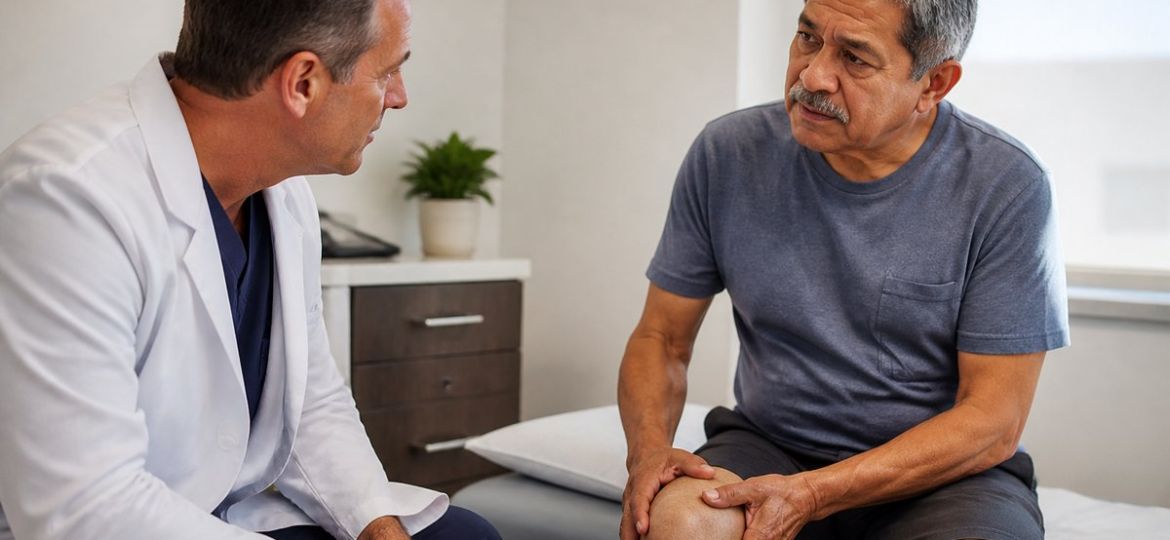
Musculoskeletal conditions affect bones, joints, muscles, and other related soft tissues. When pain limits daily tasks or an injury changes how a joint moves, an orthopedic surgeon can evaluate what is happening inside the joint. Strains, overuse injuries, arthritis, and sports trauma are all musculoskeletal conditions, and they affect your daily comfort and mobility. Here’s more information on who can benefit from visiting an orthopedic surgeon for their health needs:
People With Shoulder Injuries
Shoulder injuries can develop after a fall, a sudden twist, or repetitive overhead activity and often cause pain. Some people notice discomfort when lifting or sleeping on the affected shoulder; others feel weakness or a catching sensation when doing gym exercises. Early evaluation by an orthopedic surgeon helps determine whether the problem involves:
- Muscules
- Bones
- Tendons
- Ligaments
- Cartilage
Once the cause is clear, treatment usually starts with nonoperative options. Targeted physical therapy builds strength in the rotator cuff and shoulder blade muscles, which may reduce stress on irritated tissues.
Medications that address discomfort and inflammation, along with activity changes, are also commonly used to support healing by reducing inflammation and pain. If symptoms persist or structural damage is significant, surgeons may use minimally invasive techniques, such as arthroscopy, to repair or smooth damaged tissues. These procedures use small incisions and specialized instruments designed to limit disruption to surrounding structures.
People With Knee Conditions
Knee conditions range from ligament sprains and meniscus tears to cartilage wear and arthritis. Some injuries follow a single event, like a pivot on the field or a misstep off a curb. Others develop gradually as cartilage thins or alignment issues place uneven pressure on the joint. Swelling, stiffness, locking, or a sense that the knee is giving way can indicate that something inside the joint needs attention. An orthopedic surgeon evaluates these signs with a physical exam and imaging to understand which tissues are involved. Bracing, activity modification, and medications can help some patients, but many knee problems also respond well to structured physical therapy.
Strengthening the quadriceps, hamstrings, and hip muscles supports the joint and may ease stress on damaged tissues. When pain or instability remains despite these management steps, surgical options may be recommended. Procedure options range from arthroscopic meniscus or ligament work to more advanced interventions. In some cases, an implantable shock-absorbing system can reduce joint pressure and support function when other conservative measures haven’t provided enough relief.
People With Hip Conditions
Hip conditions often involve the ball-and-socket joint, surrounding cartilage, and soft tissues such as tendons and the labrum. When standing from a chair or climbing stairs, some individuals experience outer-hip tenderness or stiffness. Labral tears, femoroacetabular impingement, bursitis, and early arthritis are frequent sources of hip discomfort. Physical therapy works as a preventive and strengthening option for many people, helping them support their hip joint more effectively.
Depending on the injury, an orthopedic specialist may discuss biologic therapy, which supports the body’s own repair processes. Biologic treatments deliver biologic materials to targeted areas, promoting tissue healing to reduce symptoms. When hip pain limits walking distance, disrupts sleep, or doesn’t respond to nonoperative care, surgical options are discussed.
Hip arthroscopy uses small incisions and a camera to address issues such as labral tears or bony impingement. In more advanced joint damage, hip replacement removes damaged surfaces and places prosthetic components that restore smoother motion. An orthopedic surgeon reviews imaging, discusses your activity level and goals, and recommends what combination of approaches fits your situation. From biologic therapy and targeted exercises to arthroscopy and joint replacement, surgeons work with patients at each stage of their care.
Meet With an Orthopedic Surgeon
Lingering joint pain, repeated sprains, or a sense that movement is no longer stable all signal that your condition needs medical support. An orthopedic surgeon reviews your health history and symptoms before examining the joint and outlining both nonsurgical and surgical paths, including what recovery may involve. This helps you understand your needs and make timely health decisions to support your mobility. If you want to learn more about your treatment options for joint issues, schedule a consultation with an orthopedic practitioner.
