

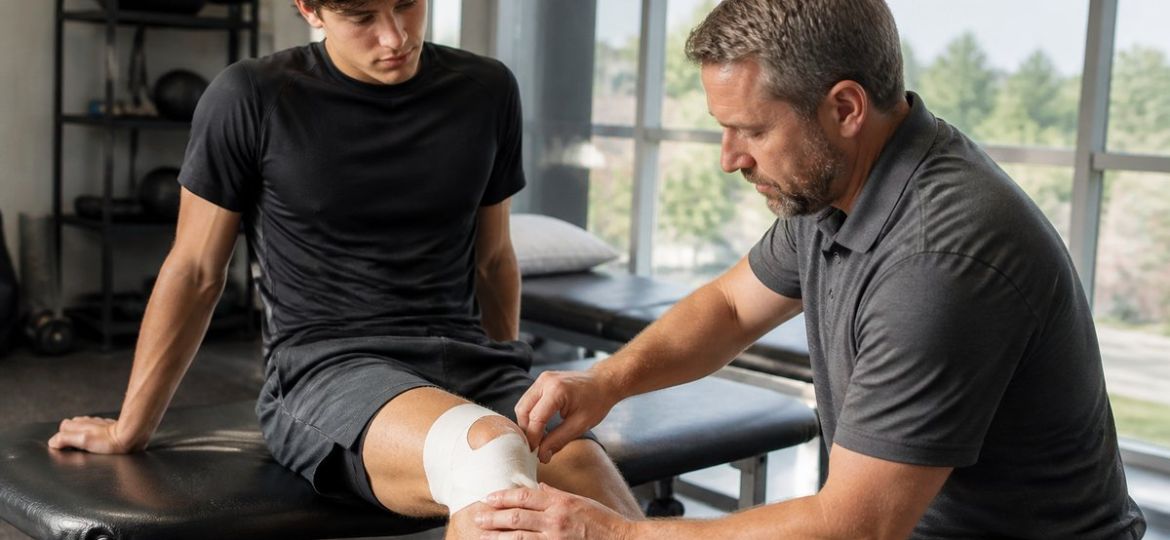
Athletic performance depends in part on how athletes train, recover, and respond to injury. Sports medicine supports these areas by helping athletes identify injury risks and plan a gradual return to competition after an injury. Here is a closer look at the impact of sports medicine on athletic performance:
Identifying Performance Limitations
Performance often plateaus when strength, mobility, or movement patterns no longer match the demands of a sport. A sports medicine assessment reviews joints, muscles, and neuromuscular control, linking findings to game situations. The process highlights deficits in range of motion or stability, and it connects them to specific performance tasks. Athletes receive measurable information and can use it to adjust practice plans. Movement screening evaluates how the body manages load during jumping, cutting, or sprinting tasks. A provider studies alignment during these movements and notes where form breaks down under fatigue. This review identifies inefficient mechanics that waste energy and increase joint stress.
Reducing Injury Risk
Injury risk increases when workload, recovery, and biomechanics fall out of balance. Sports medicine uses structured strategies to address these factors, and it organizes them into daily routines that fit each sport. Athletes gain clear direction on how to warm up, progress workload, and monitor early warning signs. Here are ways specialists reduce injury risks:
- Warm-up structure: Dynamic movements prepare joints and muscles, and they align the body for sport-specific tasks.
- Load management: Planned changes in volume and intensity guide training, and they limit sudden spikes in workload.
- Strength balance: Targeted exercises address side-to-side or front-to-back imbalances, and they support joint stability.
- Recovery habits: Sleep, nutrition, and active recovery sessions support tissue repair, and they help maintain training quality.
Rebuilding Function After Injury
Once an injury occurs, performance goals move toward restoring strength and control in the affected area. Rehabilitation through sports medicine follows a phased structure that links each phase with objective criteria. Early sessions focus on pain control and basic movement, and later sessions progress toward power and sport-specific skills. Progression depends on tissue healing and consistent performance in therapy tasks.
Rehabilitation often starts with isolated exercises, and it gradually moves toward integrated whole-body movements. A provider selects exercises that safely load the injured area and monitors the response between sessions. As strength and stability return, training reintroduces speed, direction change, and impact, tying these elements to sport positions. This process reduces compensation patterns, and it supports more reliable movement under game stress.
Guiding Return to Competition
Returning to competition requires more than pain relief; it depends on both physical readiness and sport demands. Sports medicine frameworks outline stages that progress from practice participation to full competition. Athletes move from controlled drills to live play, completing each step without symptom flare-ups.
Gradual Increases in Workload
Workload progression matches intensity and volume to current capacity and responds to feedback from each session. A provider coordinates with coaching staff on minutes, drill types, and contact level, keeping progression organized. Training logs track changes in workload and symptoms, and they highlight patterns that need adjustment.
Sport-Specific Demands
Different sports stress tissues in distinct ways, and return plans reflect these unique demands. Rehabilitation and on-field testing recreate key actions such as cutting, jumping, or overhead motions, and they measure quality and control. Athletes repeat these tasks, and they demonstrate stable mechanics before full clearance.
Book Your Sports Medicine Appointment
Sports medicine helps athletes identify limitations, reduce the risk of injury, and return to competition with clear benchmarks. Targeted assessment and rehabilitation align training with the physical demands of each sport, and they support performance throughout the season. Contact a qualified healthcare provider near you to book your sports medicine appointment today.
