

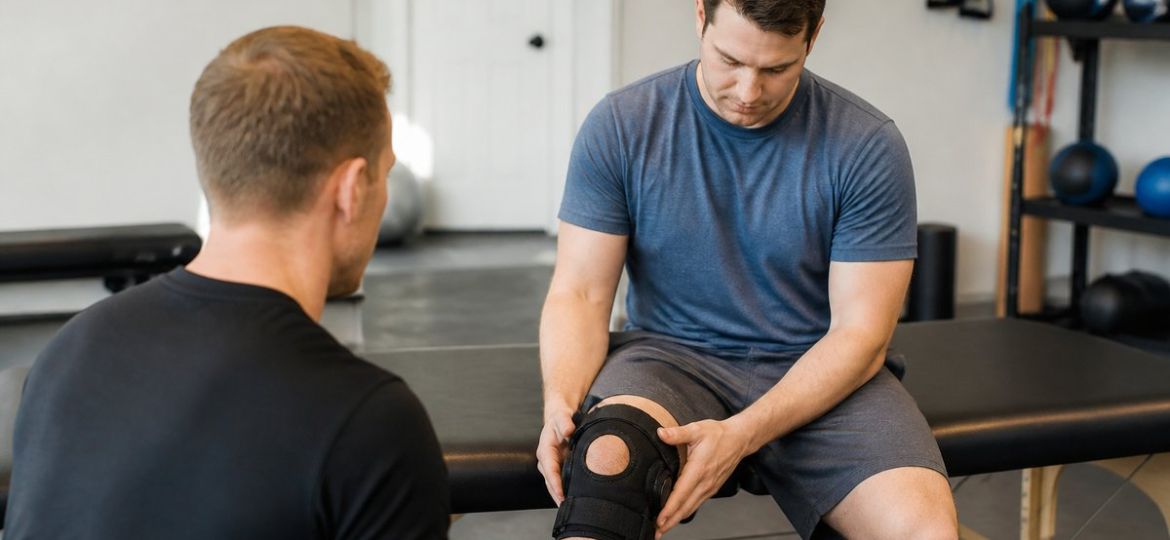
Rehabilitation after knee replacement supports the recovery process as patients gradually regain strength and flexibility. The procedure replaces damaged joint surfaces with artificial components, and structured recovery helps those components function smoothly. A steady plan for movement, strength, and joint protection supports long-term knee use. Here is more information on rehabilitation strategies after knee replacement surgery:
What Does Knee Replacement Surgery Involve?
Knee replacement surgery removes worn or damaged cartilage surfaces and replaces them with metal and plastic implants. The surgeon reshapes the ends of the thigh bone and shin bone, and the procedure may also include resurfacing the underside of the kneecap. The artificial components create a new gliding surface for the joint. They aim to reduce pain that limited movement before surgery.
The operation usually involves careful alignment of the implants, and that alignment influences how the knee feels during walking and bending. Soft tissues around the joint, including ligaments and muscles, also respond to the new structure. The body needs time to adapt to these changes, and early healing supports later strength gains.
Rehabilitation starts soon after surgery. Early steps focus on safe movement. Walking with assistive devices, such as a walker or crutches, helps protect the joint while swelling decreases. Gentle range-of-motion exercises begin during this period, and they help prevent stiffness that limits function.
What Are Effective Rehabilitation Strategies?
Rehabilitation strategies after knee replacement address joint motion, strength, balance, and daily activities. A structured approach supports steady progress through each phase of healing.
- Progressive strengthening: Targeted exercises for the quadriceps, hamstrings, and hip muscles support the new joint.
- Gait training: Practicing step length, foot placement, and weight shifting refines walking patterns.
- Balance and proprioception work: Standing exercises on stable and then slightly unstable surfaces train joint awareness.
- Swelling and pain management: Ice, elevation, and prescribed medications manage discomfort.
Each strategy fits into a broader timeline, and that timeline depends on healing progress. Some people may advance through exercises quickly, while others need a slower pace to protect tissues that are still adapting.
How Is Professional Guidance Beneficial?
Professional guidance aligns rehabilitation with surgical findings, overall health, and daily demands. A surgeon reviews the condition of the joint before surgery, and they use that information to shape the recovery plan. They also monitor incision healing and swelling patterns, and they adjust activity levels when the joint reacts with increased discomfort.
Professional input helps with return-to-work timelines, and it guides decisions about driving, sports, and heavier household tasks. While some people need adaptive equipment for a short period, others can manage with minor routine changes. Regular follow-up visits address questions about lingering stiffness, swelling after activity, or changes in gait pattern.
Consult a Professional Now
Rehabilitation after knee replacement surgery involves multiple stages, and each stage benefits from clear direction. A medical professional evaluates joint function, reviews health history, and outlines a plan that fits personal activity goals. Timely guidance supports steady progress toward reliable use of the new knee. If you are undergoing a knee replacement, consult a healthcare professional to learn more about rehabilitation.
