

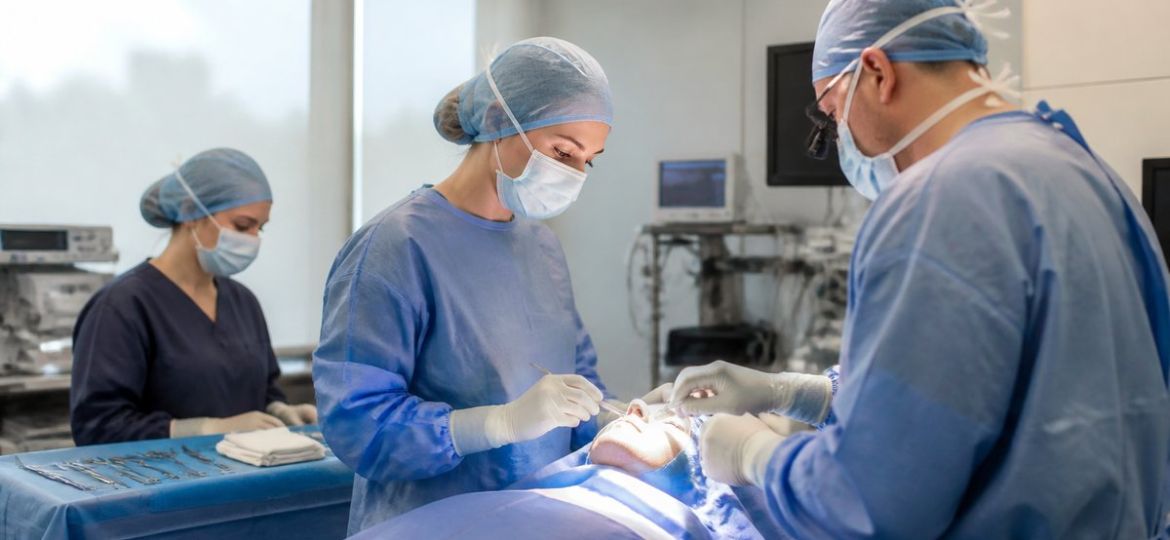
Facial skin loses elasticity over time, and sagging, deeper folds, and less defined contours may become more noticeable. A facelift is a surgical procedure that addresses these signs of aging by repositioning underlying tissues and removing excess skin. Here is some information about preparing for a facelift:
Getting a Consultation
A consultation allows the surgeon to evaluate your facial structure and determine how aging has affected your appearance. During this appointment, the surgeon examines skin quality, tissue laxity, and facial proportions. These findings help establish appropriate surgical techniques, and they account for your individual anatomy and aesthetic concerns. Doctors also review:
- Aesthetic goals: Identify the facial changes you want to address and explain your expectations for the results. Surgeons discuss whether your desired outcome is achievable through a facelift.
- Medical history: Disclose existing health conditions, previous surgeries, allergies, and current medications. Some health factors affect surgical eligibility or healing.
- Surgical techniques: Ask which facelift approach the surgeon recommends and why it fits your needs. Doctors should review incision placement, tissue repositioning, and whether additional procedures may be beneficial.
- Recovery: Your surgeon should explain postoperative discomfort, swelling, and bruising. Ask how long you may need to limit physical activities and when you can expect to resume your usual routine.
Creating a Surgical Plan
Once the surgeon confirms your candidacy, they design a surgical plan that matches your facial anatomy, goals, and health status. This plan determines:
- Incision placement
- The degree of tissue repositioning
- Anesthesia approach
- Whether complementary procedures are recommended
Some patients focus on the jawline and lower face, while others address the neck at the same time. These choices influence operative time and recovery demands. The surgeon also outlines preoperative instructions, which support a safe experience from your surgery through the first follow-up visit.
Planning for Recovery
Preparing for facelift recovery involves arranging assistance and making necessary adjustments to your daily routine. Anesthesia and postoperative discomfort may temporarily limit your ability to drive or complete routine tasks. Arrange transportation home after surgery, and ask someone to assist with household responsibilities during the initial healing period. The surgeon will also explain anticipated swelling, bruising, and activity restrictions. This lets you plan for time away from work and other responsibilities.
As healing progresses, follow-up appointments allow the surgeon to monitor incisions and adjust dressings. They also answer new questions about activity levels. Swelling usually peaks early and then gradually declines, so facial contours evolve over several weeks. Protect the surgical sites by avoiding strenuous activity. Light walking supports circulation without stressing healing tissues.
Learn More About Facelift Procedures
Planning for a facelift helps you understand the procedure and manage recovery, so you can know what to expect. A consultation lets your surgeon assess your facial anatomy, discuss your goals, and determine an appropriate surgical approach. You should also review preoperative instructions and arrange assistance for the first days after surgery. Following your surgeon’s recommendations and attending follow-up appointments allow the surgeon to monitor your healing. Contact a cosmetic surgeon today to learn more about facelift procedures.
