

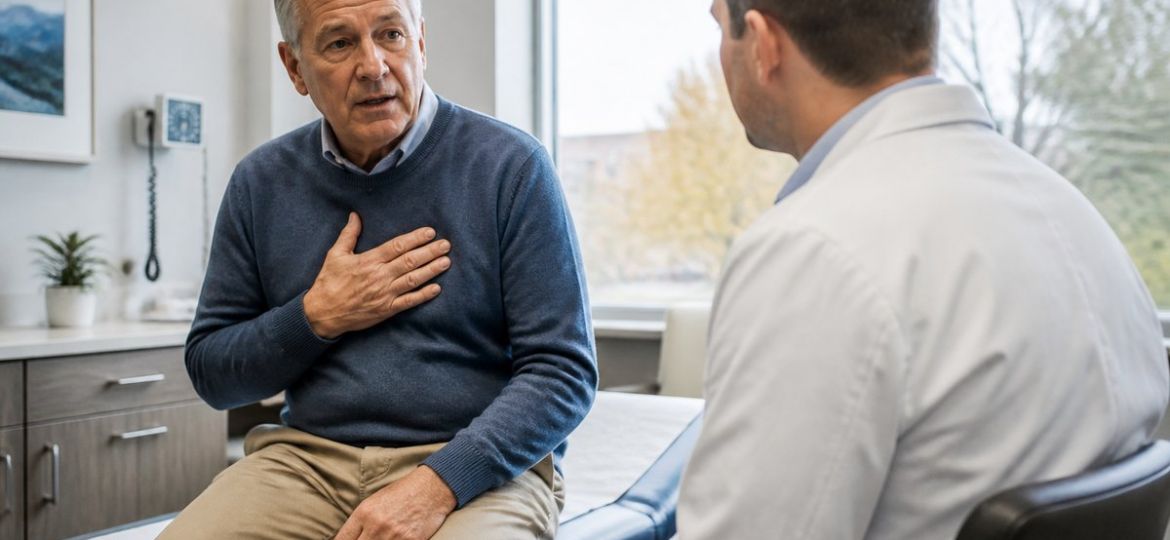
If your chest pain is severe or sudden, you should call 911. Chest pain has many possible causes. Some causes are minor, but others involve the heart and need emergency care.
Recognize Emergency Warning Signs
Some symptoms point to a possible heart attack. Call 911 if you notice pressure, squeezing, or fullness in your chest. Chest pain may spread to your arms, back, neck, or jaw, and it will last more than a few minutes. Shortness of breath, cold sweats, nausea, or lightheadedness can occur with the pain. Even if symptoms feel mild, call 911 if they come with breathlessness or sweating. Do not wait to see whether the pain goes away. Certain groups face a higher risk of heart-related chest pain. Diabetes, high blood pressure, or a family history of heart disease mean you should be especially alert. If you belong to any of these groups, act quickly. Time matters during a cardiac event, because treatment works best when it starts early.
Spot Symptoms Needing Prompt Evaluation
If chest discomfort returns often, schedule a visit and track when it happens. Not all chest pain signals an emergency. Note how long each episode lasts and what you were doing when it started. Angina can be stable or unstable. If your angina episodes are more frequent or more intense, tell your doctor right away. A change in your usual pattern can signal a worsening condition, and your doctor will sometimes need to adjust your treatment plan.
Some non-emergency symptoms still deserve a timely visit. Chest pain that lingers for hours but stays mild, or pain that comes and goes over several days, should not be ignored. While it may not be an emergency, call your provider if your symptoms are worrisome. Shortness of breath during light activity, persistent fatigue, or swelling in your legs can point to heart or lung issues.
Understand Diagnosis and Treatment
An ECG records your heart’s electrical activity, and it can show signs of strain or damage. Your doctor will often start with an electrocardiogram, or ECG. The test takes a few minutes, and it does not hurt because sensors simply rest on your skin. Your doctor will also ask about your symptoms, habits, and family history. These details help your doctor decide which next steps you need. If the ECG results are unclear, your doctor may order additional tests. In some cases, your doctor may recommend a stress test to see how your heart performs during physical activity. Discuss these steps:
- Aim for at least 30 minutes of moderate activity most days of the week.
- Choose heart-healthy foods like fruits, vegetables, and whole grains.
- Reduce sodium to help lower blood pressure.
- Limit saturated fat to help reduce cholesterol levels.
- Quit smoking, which can improve heart health.
- Lose weight if needed, which can reduce strain on your heart.
Treat Chest Pain Today
Chest pain deserves prompt attention. Severe, sudden, or spreading pain needs emergency care, and you should call 911 right away. If your pain is mild but keeps returning, you should book an appointment. Bring notes about your symptoms to your visit. Early evaluation helps you get answers, and it helps you create a treatment plan that fits your needs.
