

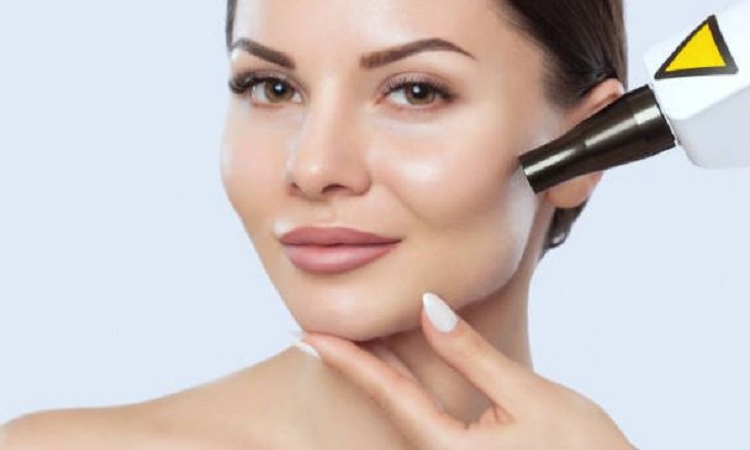
Minimally invasive skin rejuvenation procedures can address concerns such as fine lines, uneven texture, and changes in skin tone. A dermatologist will assess your skin and discuss expected results, recovery time, and potential risks. Here is more information on minimally invasive procedures for skin rejuvenation:
Chemical Peels and Microdermabrasion
Chemical peels and microdermabrasion remove dead cells from the skin’s surface. They use different methods, and a dermatologist selects one based on your skin type and goals. People with rosacea or eczema need a careful assessment, as sensitive skin often reacts strongly to exfoliation. Although both treatments target texture, they differ in depth, and the following sections explain each one.
Chemical Peels
A chemical peel uses an acid solution to loosen and remove damaged outer layers of skin. Light peels use mild acids, and deeper peels use stronger formulas. The skin often flakes for several days after treatment, which is a normal part of the process. If you have active acne or a history of cold sores, tell your dermatologist, and they will adjust the plan to suit your skin.
Microdermabrasion
Microdermabrasion relies on a handheld device to buff away the top layer of skin. The process involves no chemicals, and people often return to daily activities the same day. Dermatologists may recommend it for people who want to address dull skin, mild sun damage, or shallow acne marks. If a patient has inflamed rosacea or open sores, the dermatologist usually delays treatment and focuses on calming the skin first.
Laser Treatments
Laser treatments direct concentrated light at specific areas of the skin. These treatments target sun spots and brown patches that develop with age or sun exposure. Different lasers work at different depths, and a dermatologist chooses the device based on your skin tone and pigment type. When the light reaches darker pigment, it breaks the pigment into smaller particles, and the body gradually clears them over several weeks. A dermatologist examines every pigmented spot before laser treatment. This step is key for anyone who has a history of skin cancer or precancerous spots.
Procedures for Visible Spider Veins
Spider veins are small and thin blood vessels that appear near the skin’s surface. They often appear on the legs and face and look red, blue, or purple. Common procedures to treat them include sclerotherapy and laser therapy. During sclerotherapy, a dermatologist injects a solution into the vein, and the vein fades as the body absorbs it over the following weeks. Laser therapy suits smaller facial veins, including those associated with rosacea. People may need more than one session before they notice a change.
Treatment Safety and Ongoing Care
Safe treatment starts with a full skin assessment. A dermatologist reviews your medical history: they ask about medications, allergies, and existing skin conditions. If you use acne medications or topical retinoids, your provider tells you when to pause them. The following habits can support ongoing skin health:
- Daily sun protection: Apply a broad-spectrum sunscreen and reapply it every few hours outdoors.
- Gentle cleansing: Use a mild and fragrance-free cleanser to avoid irritating treated skin.
- Regular moisturizing: Apply a plain moisturizer to support the skin barrier, especially if you have eczema.
- Product caution: Avoid scrubs, exfoliating acids, and new products until your provider approves them.
- Follow-up visits: Return for scheduled appointments so your dermatologist can track progress and check for new or changing spots.
Consult a Qualified Dermatologist Today
Minimally invasive procedures address texture, pigmentation, and visible veins without surgery. Chemical peels and microdermabrasion target the skin’s surface, and lasers address uneven color and small vessels. Each option requires a professional assessment, which also gives your dermatologist a chance to check moles, precancerous spots, and other growths. Contact a qualified dermatologist near you to schedule your consultation today.
