

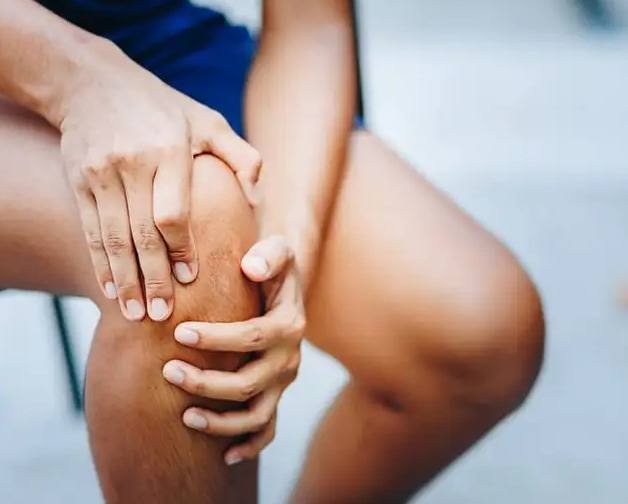
Cartilage is a firm yet flexible tissue found throughout the body. It cushions the ends of bones, supports joints, and allows smooth movement during everyday activities. When cartilage becomes damaged, even simple motions such as walking, bending, or lifting can feel uncomfortable. Because it has a limited ability to repair itself, a cartilage injury often requires attention and care.
What Is a Cartilage Injury?
A cartilage injury refers to damage that affects the smooth, protective tissue located within joints and other parts of the body. There are several types of cartilage, but the kind most often linked to joint problems is articular cartilage, which coats the ends of bones where they meet. Damage to cartilage can range from small surface cracks to larger tears that affect a wider portion of the joint. Some people notice symptoms right away, while others experience a slow buildup of discomfort over time. Common signs include swelling, stiffness, a reduced range of motion, and pain.
Unlike many other tissues in the body, cartilage does not contain a rich supply of blood vessels. This feature limits its natural healing capacity, and this is one reason cartilage injuries can persist longer than other types of tissue damage. Recognizing the signs early may help a person seek guidance before the issue progresses.
What Causes One?
Cartilage injuries can develop for many reasons, and they affect people of all ages and activity levels. Understanding the possible causes may help individuals identify their own risk factors. There are several categories to group the causes of cartilage damage, including:
- Sudden Trauma: A direct blow, a fall, or a twisting motion may tear or crack cartilage.
- Repetitive Stress: Actions performed over and over, such as running or heavy lifting, can gradually wear down cartilage.
- Aged Joints: Cartilage naturally becomes thinner and less resilient with age.
- Excess Body Weight: Added pressure on weight-bearing joints, such as the knees and hips, may accelerate cartilage wear.
- Misaligned Joints: When bones do not align properly, uneven pressure can concentrate on specific areas of cartilage, increasing the likelihood of injury.
Some cartilage injuries may result from a combination of these factors rather than a single event.
How Is One Treated?
Treatment for a cartilage injury depends on several factors, including its location, its severity, and the individual’s overall health. Nonsurgical methods can be explored first for milder injuries. These may include rest and activity modification. When the damage is more extensive or does not respond to conservative care, surgical options can be discussed. Procedure types vary and range from minimally invasive techniques to more involved reconstructive surgery. Some approaches focus on smoothing damaged surfaces, and others aim to stimulate new tissue growth. Recovery timelines differ from person to person. Following a structured plan, attending follow-up appointments, and gradually returning to activity can support a steady recovery.
Seek Professional Orthopedic Care
Cartilage injuries may affect mobility and one’s quality of life, but many people are able to manage their symptoms with the right support. Because cartilage heals slowly and the signs of injury can overlap with other joint conditions, a professional evaluation offers clarity toward understanding the problem. An orthopedic specialist may assess the joint, identify the source of discomfort, and outline treatment options suited to a person’s needs and goals.
