

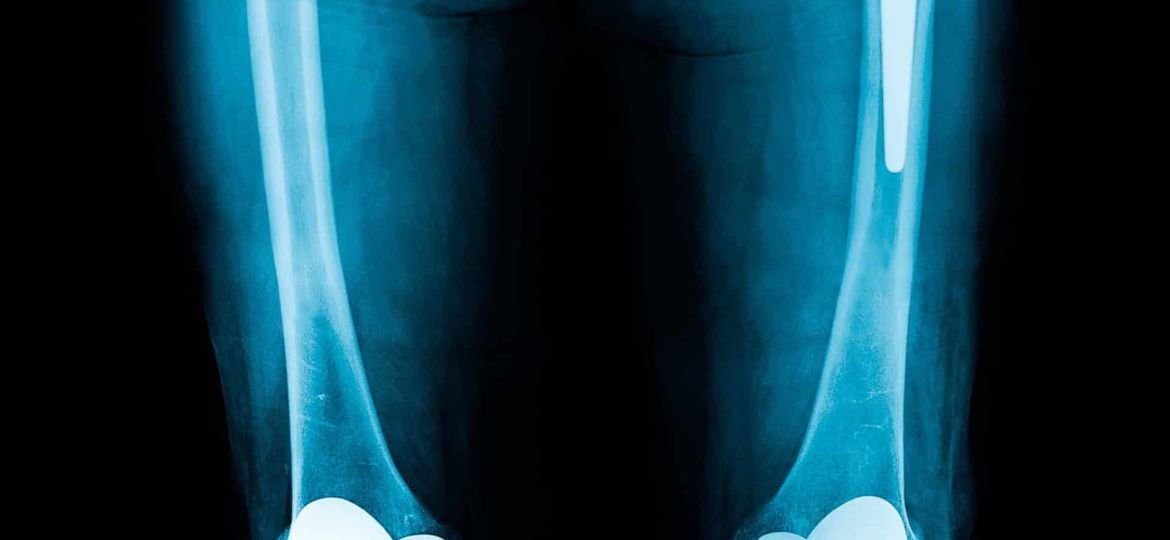
Joint pain that lingers can affect the way you move. When damage to a joint reaches a point where daily activity becomes difficult, people may explore surgical options with an orthopedic specialist. Total joint replacement is a widely performed procedure for addressing worn or damaged joints, and gaining a basic understanding of it can help you approach the topic with clarity.
What Is Total Joint Replacement?
Total joint replacement is a surgical procedure in which a damaged joint is removed and replaced with an artificial component. These components are typically made from metal, ceramic, or medical-grade plastic, and they are designed to imitate the movement of a natural joint. Joints can wear down due to arthritis, injury, or general use. When the smooth cartilage that cushions a joint breaks down, bone rubs against bone, which may lead to stiffness and reduced range of motion. The artificial parts work together to allow the joint to bend or rotate in a manner close to how it functioned before the damage occurred.
Who Is It Recommended For?
Not everyone with joint discomfort needs surgery. People can first try non-surgical approaches, such as physical therapy, activity adjustments, or other treatments recommended by a medical professional. These methods may fail to provide relief, and an orthopedic specialist will discuss whether joint replacement is a reasonable path. Several factors tend to influence this evaluation:
- Loss of Function: Difficulty performing everyday movements due to pain.
- Response to Other Treatments: Limited improvement after trying non-invasive treatments.
- Overall Health: General physical condition, which a surgeon reviews to plan care appropriately.
Adults across a wide range of ages have undergone joint replacement, and each case is reviewed individually. A specialist weighs the potential benefits against a person’s specific circumstances before making any recommendation.
What Should You Expect?
The process generally unfolds in stages, beginning well before the day of surgery and continuing through recovery. Every case differs, but a basic outline can offer a broad sense of what to expect. The steps typically include:
- Evaluation: The specialist reviews your symptoms and medical background to determine whether surgery is appropriate.
- Planning: If surgery moves forward, the team may outline the type of procedure and the components that will be used.
- Surgery: During surgery, the damaged portions of the joint are removed, and the artificial parts are placed.
- Recovery: After surgery, patients are monitored as they begin to regain movement.
- Rehabilitation: Physical therapy plays a large role in recovery, since structured exercises help rebuild strength and improve range of motion over time.
Recovery timelines differ from person to person. Some people return to light activity within weeks, but full recovery may take several months. Following the guidance provided by your care team supports steady progress.
Seek Professional Orthopedic Care
Total joint replacement is an option for people whose joint damage limits their daily lives. Every joint and every patient is different, which is why individual guidance matters. An orthopedic specialist will assess your specific condition, and they can explain which options align with your needs. If joint pain has begun to shape how you live and move, speaking with an orthopedic professional will help you understand what may help you regain comfort and mobility.
