

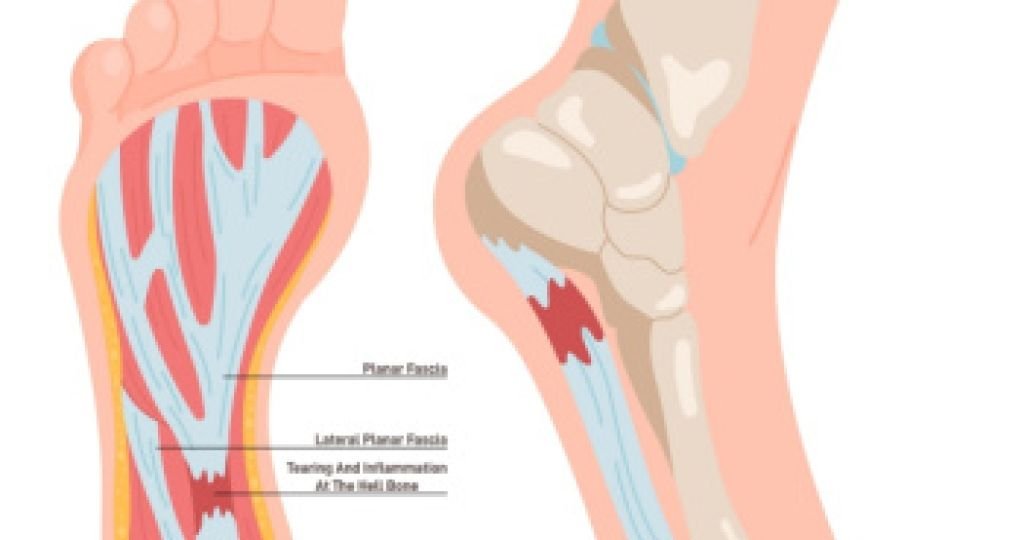
Plantar fasciitis is an inflammation of the plantar fascia, which is a thick band of connective tissue that runs along the sole of the foot. Runners face an elevated risk of developing this condition. The repetitive mechanical stress of each stride places substantial load on the heel, and over time, this can lead to tissue breakdown. Here is more information on this condition:
What Is Plantar Fasciitis?
The plantar fascia is a thick, fibrous band of connective tissue that runs along the bottom of the foot; it connects the heel bone to the toes, supporting the arch and absorbing shock during movement. When this tissue becomes inflamed or irritated, the condition is referred to as plantar fasciitis. It can affect an individual’s ability to perform routine physical activity.
Plantar fasciitis is a prevalent cause of heel pain in adults, and it affects approximately 2 million people in the United States annually. The condition develops gradually. Early recognition is useful for timely treatment, so understanding the initial symptoms can help individuals seek appropriate care before the condition progresses.
What Causes It?
This condition develops when the plantar fascia experiences repeated strain, leading to small tears in the tissue. Common contributing factors include:
- Foot mechanics: Flat feet, high arches, or an abnormal walking pattern can place uneven stress on the plantar fascia.
- Sudden increase in activity: Rapidly intensifying physical activity does not give the tissue adequate time to adapt.
- Prolonged standing: Occupations that require long hours on hard surfaces are a risk factor.
- Footwear: Shoes with poor arch support or worn-out soles offer insufficient cushioning.
What Are the Symptoms?
A recognizable symptom of plantar fasciitis is a sharp, stabbing pain at the bottom of the heel. This pain is typically most intense during the first steps taken in the morning or after periods of rest, and it may diminish after a few minutes of walking. Although the discomfort may subside initially, it tends to return following prolonged activity. Stiffness along the arch and tenderness when pressing on the heel are additional indicators.
How Is Running Connected?
Running places stress on the plantar fascia. Since this stress is cumulative, frequent running without adequate recovery can accelerate tissue breakdown. Runners who increase their mileage too quickly or train on hard surfaces are at heightened risk, and inadequate footwear compounds this further.
Overpronation places asymmetrical stress on the plantar fascia. Downhill running amplifies tension at the heel attachment point, which makes it an aggravating activity for those already experiencing symptoms. Returning to running too soon after the onset of symptoms can worsen the condition. The repetitive nature of running means that even minor inflammation can develop into a more persistent and painful injury, but consulting a podiatrist helps mitigate these risk factors.
Learn More From a Podiatrist
Plantar fasciitis is a common condition, and its management depends on the individual. The severity of the inflammation, foot structure, and activity level all influence the appropriate course of treatment. When plantar fasciitis is left unmanaged, it can lead to chronic heel pain that interferes with daily movement. If you are experiencing heel pain, schedule a consultation with a podiatrist. Timely professional guidance helps patients return to full activity.
