

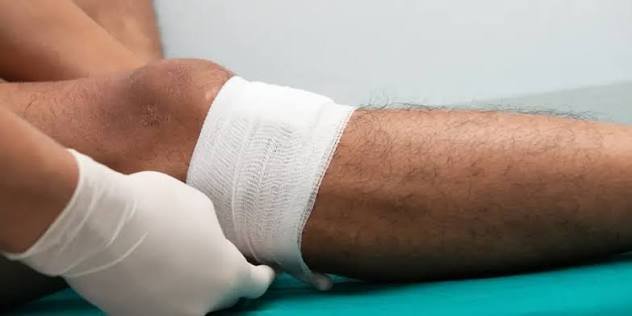
Chronic wounds require more than routine dressing changes to heal properly and prevent complications. A comprehensive wound care plan combines various components, including regular assessments and infection control. Here is a closer look at comprehensive wound care plans for long-term healing:
Assessing the Wound and Patient
Every effective wound care plan starts with a thorough assessment. A specialist measures the wound’s size, depth, and location, and they note the color of the tissue and the amount of fluid it produces. This detailed picture helps the care team choose the right dressings and treatments. It also helps them create a baseline for tracking progress.
Your overall health often affects how quickly a wound heals. A specialist reviews conditions such as diabetes, poor circulation, and nutrition, all of which can slow recovery. They may ask about medications, mobility, and daily habits, and this information reveals barriers that need attention.
Controlling Infection and Moisture
Infection and moisture levels directly affect how a wound behaves, so wound care specialists manage both with care. A wound that stays too dry can crack, while one that stays too wet can break down the surrounding skin. The following explains how a care team keeps these factors balanced.
Managing Infection
Bacteria can settle in an open wound and delay healing, so infection control is a key focus. A specialist watches for redness, swelling, warmth, and unusual odor, and they act quickly when these signs appear. Treatment may include cleaning the wound, applying antimicrobial dressings, or prescribing medication. Make sure you report new symptoms between visits so the team can respond promptly.
Balancing Moisture
The right moisture level supports the natural repair process, and dressings play a central role here. A specialist selects products that either add moisture or absorb excess fluid, depending on what the wound needs. They may change the dressing type as the wound evolves, and each choice reflects the current condition.
Supporting Tissue Repair
Once the team controls infection and moisture, they focus on rebuilding tissue. Healthy new tissue needs oxygen, nutrients, and a stable environment; wound care specialists work to remove anything that obstructs this growth. They clear away dead tissue, giving fresh cells room to form, and they protect the area from pressure.
Some wounds respond to advanced techniques that encourage the edges to come together. Options may include specialized dressings, compression for wounds linked to poor circulation, or therapies that stimulate tissue growth. A specialist matches the method to your wound type, and they adjust the approach as healing continues.
Monitoring Healing
Long-term wound care success depends on consistent follow-up and habits that reduce the risk of a recurring. A specialist tracks changes over time and updates the plan as needed. The following are the main components of this ongoing stage:
- Regular reassessment: The team measures the wound at each visit and compares it to the baseline.
- Documentation and photos: Consistent records and images capture subtle changes, and they help everyone involved stay aligned on progress.
- Skin protection: Keeping skin clean, moisturized, and free from pressure lowers the chance of new wounds forming nearby.
- Managing underlying conditions: Controlling factors such as blood sugar and circulation supports healing and reduces the risk of recurrence.
- Patient education: Clear guidance on dressing changes, warning signs, and daily care helps you protect the wound between appointments.
Schedule Your Wound Care Appointment
Effective wound care combines proper hygiene, timely treatment, and consistent monitoring to promote optimal healing. Understanding the basics of care and recognizing signs of complications are fundamental to preventing setbacks and promoting full recovery. Developing preventive habits can significantly reduce the risk of future wounds. Contact a qualified wound care specialist near you to schedule your appointment today.
