

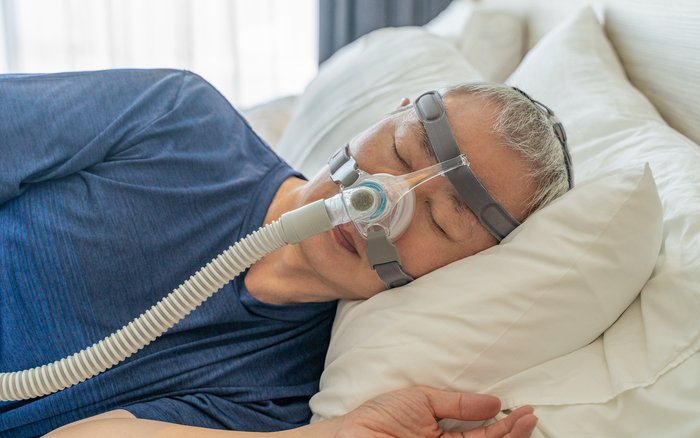
Sleep apnea is a sleep-related breathing disorder in which the airway becomes partially or fully blocked during rest, causing breathing to pause repeatedly throughout the night. These interruptions can disrupt normal sleep cycles; people who experience them often feel unrested even after a full night in bed. Many individuals are unaware they have the condition, since the pauses in breathing typically occur while they are asleep. Here is more information about sleep apnea and dental treatment:
Understanding Causes of Sleep Apnea
Sleep apnea can develop for several reasons, and the underlying factors often relate to the structure of the airway or the way soft tissues behave during sleep. When the muscles at the back of the throat relax, the airway narrows, and this narrowing can restrict the flow of air. The position of the jaw, the size of the tongue, and the shape of the nasal passages may all play a role. Certain lifestyle and physical factors are also associated with the condition, so identifying these contributors helps you understand your treatment options.
Reviewing the Common Daytime Symptoms
The signs of sleep disorders can appear both during sleep and throughout the waking hours. Loud snoring is a commonly reported nighttime sign, and some people experience gasping or choking sensations that briefly wake them. Bed partners often notice the disruptions before the affected person does, so their observations can help with diagnosis. Daytime symptoms may include:
- Persistent tiredness
- Difficulty concentrating
- Morning headaches
Explaining Mandibular Advancement Devices
Dentists can help patients manage certain cases of sleep disorders through the use of oral appliances. A mandibular advancement device is a custom-fitted appliance worn during sleep; it works by gently repositioning the lower jaw forward. This puts the jaw in a position that helps keep the airway more open during rest.
Because the appliance is fitted to the individual, a dental provider takes measurements and impressions first. Then they create a device suited to the person’s mouth. Regular follow-up visits allow the dentist to make adjustments, so ongoing care remains part of the process.
Knowing When to Seek Treatment
Deciding when to seek treatment often depends on the frequency and severity of the symptoms you notice. Here are some reasons to ask your healthcare providers about a diagnosis for a sleep disorder:
- Persistent snoring
- Waking up feeling short of breath
- A partner observing pauses in your breathing during sleep
- Consistent daytime fatigue
- Repeated nighttime wakings
An evaluation involves collaboration between medical and dental providers, and this approach helps provide a comprehensive picture of the issue. Dentists can identify signs during routine examinations, and they refer patients for further evaluation when needed. If you are a candidate for a dental appliance, your dentist can discuss the options with you in your evaluation.
Schedule a Dental Appointment Today
Sleep disorders like apnea interrupt rest and can affect a person’s energy levels during the day. The causes often relate to the airway and surrounding structures, and the symptoms can appear during both sleep and waking hours. If you suspect or know you have sleep apnea, ask your dental provider about devices for sleep apnea.
