

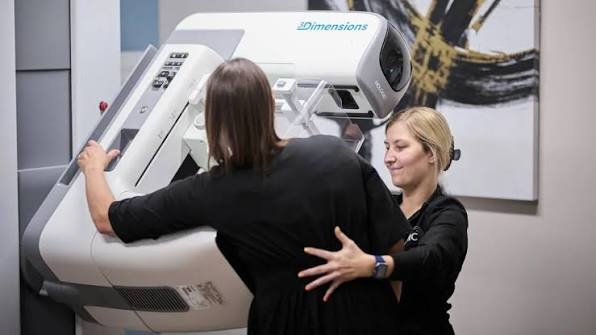
A breast exam is a physical examination of the breasts and some surrounding tissue to look for physical signs like lumps or changes in shape. A gynecologist can perform this physical exam during an office visit, or you can do it yourself at home. While people often mention “breast exam” and “mammogram” together, they describe two separate methods of monitoring breast health. Knowing how they differ can help you understand what each involves and when it applies to your care. Here’s how mammograms and breast examinations are different from one another:
Getting a Clinical Breast Exam
A clinical breast exam is performed by a trained healthcare provider, such as an OB-GYN (obstetrician-gynecologist). During the exam, you will sit or lie down while the provider uses their hands to feel the breast tissue, the underarm area, and the region near the collarbone. The exam usually takes only a few minutes, and no special equipment is required. The provider will examine breast tissue to:
- Check for Lumps
- Check for Changes
- Check for Skin Texture Differences
- Check for Any Unusual Discharge
Your provider will ask about your health history and any changes you have noticed, so it helps to arrive ready to share that information. A clinical breast screening relies on touch and visual inspection, and it is often used alongside other screening methods rather than on its own. The results may guide the decision on whether additional breast health evaluations are necessary.
Getting a Mammogram
A mammogram is an imaging test that uses low-dose X-rays to produce detailed pictures of the internal breast tissue. During a mammogram procedure, a technologist positions one breast at a time on a flat surface. A clear plate then presses down to flatten the tissue, which helps create a clearer image and reduces the amount of radiation needed.
Unlike a clinical exam, a mammogram can reveal changes that are too small to feel by hand. The compression lasts only a few seconds per view, and most appointments finish within 30 minutes. Providers commonly recommend mammograms for routine screenings or when a clinical exam or reported symptom needs a closer look.
Regularly Getting Reproductive Care
Consistent reproductive care supports ongoing breast health for women and people assigned female at birth (AFAB). The frequency of physical exams and mammograms recommended depends on age, personal history, and guidance from a healthcare provider. Many providers discuss clinical breast exams during regular checkups, but the timing depends on individual circumstances.
Mammogram schedules also differ from person to person. General guidance often recommends screening every one to two years for those within a certain age range, but a provider can adjust that interval based on individual factors. People at higher risk for certain conditions may receive a customized schedule that includes additional imaging, especially people who have a family history of breast cancer.
Keeping regular appointments allows a provider to track changes over time, and this ongoing record can inform future recommendations. Regular checkups give you the opportunity to discuss your history, ask questions, and follow a schedule that fits your needs. Staying consistent with visits also gives you a chance to report any changes you have noticed between appointments.
Schedule a Breast Exam
Breast examinations and mammograms serve different purposes, but they often work together in many breast health care plans. A clinical breast exam uses touch and observation, while a mammogram creates images of the internal tissue that a provider can review in detail. Knowing these differences can help you know what to expect from each appointment type. To learn about your breast health, contact an OB-GYN to learn which screening options are appropriate for you.
